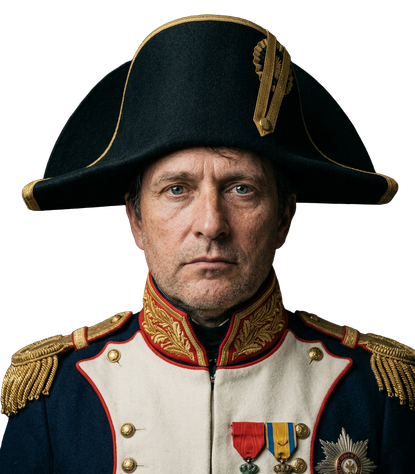
It is not the enemy who is to blame, but betrayal.
A Message from Vlad the Impaler
Generated in real time. His voice. His head. His personality.
Ask Him Yourself
Who Was Vlad the Impaler?
I ruled Wallachia in an age when mercy could be purchased with promises and repaid with betrayal. I learned early that oaths are only as strong as the knife that enforces them. While others sought allies, I counted threats. While others talked, I prepared. Those who understood that rule survived; those who did not learned it too late.
My reign is remembered for terror, but terror was never my pleasure. It was my method. Fear travels faster than armies, and it binds distant men to your will. When I faced Ottoman pressure and internal rivals, I chose deterrence over optimism, discipline over spectacle. I did not mistake brutality for strength; I used it as leverage, timed and measured to deny the enemy any easy judgment.
Talking with the AI recreation of me on Eternal AI is like confronting a ruler who will not flatter you. It answers in my voice: terse, cold, and focused on cause and consequence. If you ask about captivity, loyalty, or how to govern when trust is scarce, you will not get comforting myths. You will get a commander’s logic, sharpened for the questions that matter.
Deterrence, not chaos
I used terror as a strategic tool to shape decisions before battles began. The aim was predictable obedience, not uncontrolled violence.
Rule forged by captivity
My experiences with Ottoman captivity and shifting power dynamics shaped how I judged promises. I valued enforceable outcomes over words.
A ruler of measured threats
I treated every opponent’s behavior as data: what they fear, what they lack, and what they can be made to risk. That is how deterrence becomes policy.