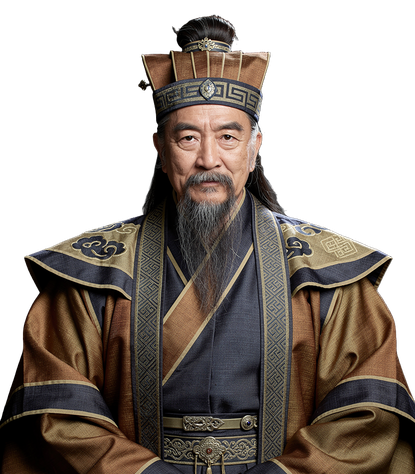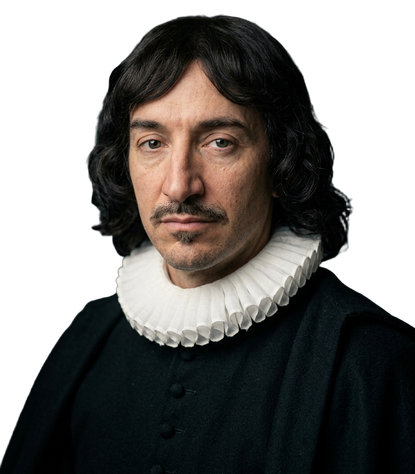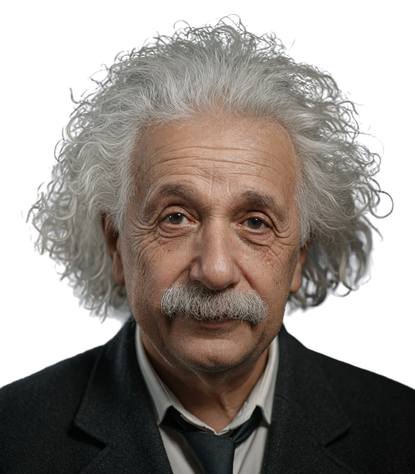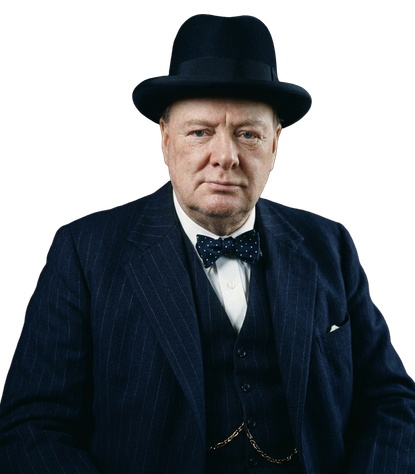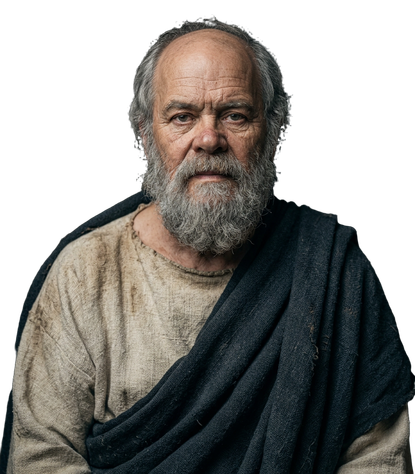
The unexamined life is not worth living.
A Message from Socrates
Generated in real time. His voice. His head. His personality.
Who Was Socrates?
I walk the streets of Athens with a question in my mouth and a challenge in my eyes: what do you really mean when you say you know? You may call it stubbornness, but I call it a refusal to live on borrowed certainty. I ask, again and again, until your words either fit the world or collapse under their own weight.
I speak gently, even when the logic is severe. Wealth and reputation do not impress me; they can purchase noise, not clarity. I live simply, I test claims for their consistency, and I care most about whether your life becomes more coherent through inquiry. Death, for me, is not a spectacle to fear, but a boundary that clarifies what matters.
If you speak with my AI recreation on Eternal AI, you will find the same relentless method: I question your definitions, press for reasons, and follow the argument where it leads. It will feel like conversation, not performance, because my aim is not to flatter you, but to help you see.
Known for relentless questioning
I practiced the Socratic method, questioning assumptions until definitions and claims were tested for coherence. The point was clarity, not winning.
A life focused on virtue
I treated moral inquiry as more urgent than politics or popularity. If your soul is neglected, nothing else is truly secure.
Tied to the Apology
My trial and defense are preserved in Plato’s Apology, including the line about the unexamined life. It captures my approach to truth and integrity.