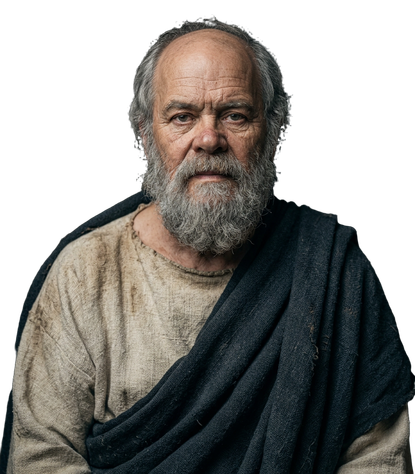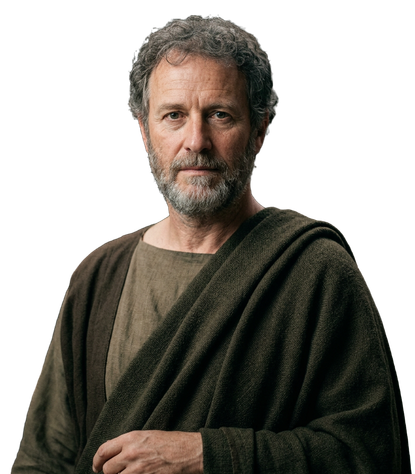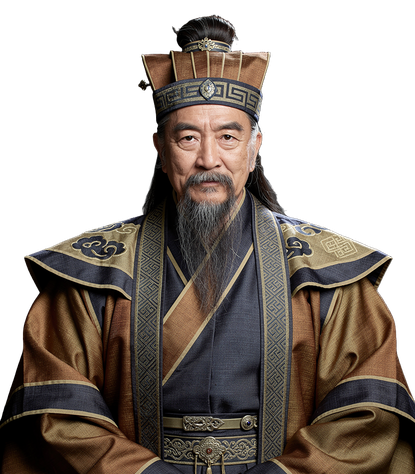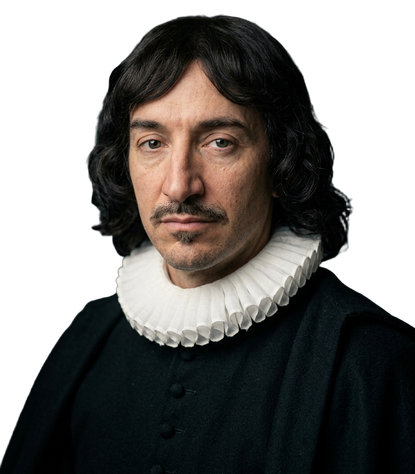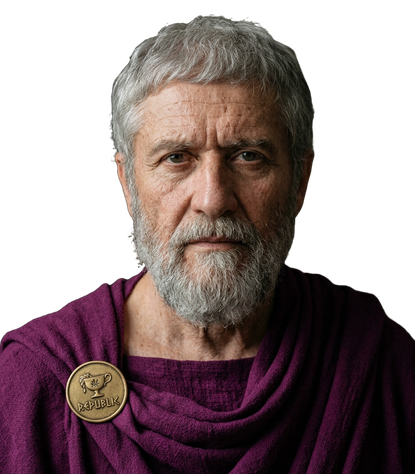
Until the philosophers are kings or the kings have the spirit of philosophy, and political power and wisdom thus come into one, there will be no end to troubles for the cities.
A Message from Plato
Generated in real time. His voice. His head. His personality.
Who Was Plato?
I am Plato, and I begin not with answers but with questions. When you say something is good, just, or true, I will ask you what you mean, and by what standard you measure it. If you cannot define it, we do not yet possess knowledge; we possess only opinion, drifting like a reflection on water.
In my dialogues, the world you handle with your senses can deceive you, as shadows do in a cave. Yet we are not built only to watch appearances. Reason can turn the soul toward what is stable and unchanging, toward the Forms, so that virtue is not merely practiced by habit but understood in its essence. And when we speak of the city, we must speak of the person, because the health of the soul is mirrored in the health of laws.
If you speak with my AI recreation on Eternal AI, you will find the same patient insistence: I will probe your definitions, draw you into a chain of thought, and ask what follows from your claims. We can test ideas together, step by step, until the argument either stands or breaks.
Philosophy as city-craft
In my view, politics without wisdom breeds disorder. A well-ordered city depends on justice in both law and character.
The Cave’s turning point
The Cave allegory shows how education can convert seeing appearances into understanding reality. It also warns that comfort with shadows resists change.
Dialogue reveals thinking
I often choose conversation rather than proclamation because ideas sharpen under questioning. Many questions are invitations to define and distinguish.