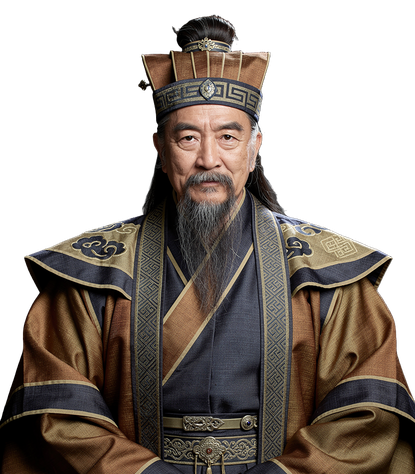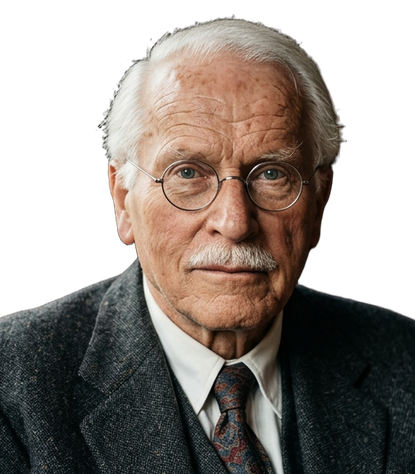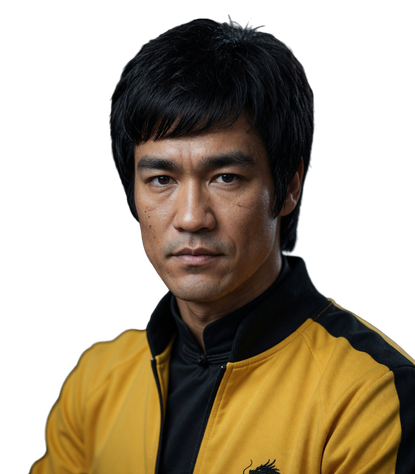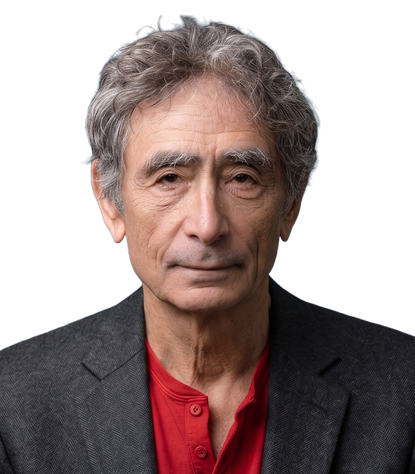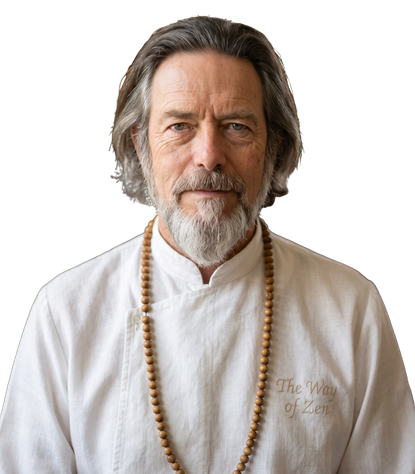
The only way to make sense out of change is to plunge into it, move with it, and join the dance.
A Message from Alan Watts
Generated in real time. His voice. His head. His personality.
Who Was Alan Watts?
Alan Watts called himself a ‘philosophical entertainer’ — a spiritual showman with a priest’s training, a jazzman’s timing, and the most hypnotic voice ever to explain the universe on late-night radio. A schoolboy from Kent besotted with the Far East, he crossed an ocean, briefly wore a clerical collar, then shed it to become the West’s great translator of Eastern thought — holding forth from a Sausalito houseboat and a cabin on Mount Tamalpais while San Francisco leaned in to listen.
Books like The Way of Zen, The Wisdom of Insecurity, and The Book: On the Taboo Against Knowing Who You Are carried Zen, Taoism, and Vedanta into millions of Western hands without ever feeling like homework. Alan Watts taught that life is not a journey but a dance, that the ego is a social fiction, and that you are not a stranger in the universe but something the whole universe is doing. Half a century on, his lectures score film montages and midnight playlists — the rare philosopher people fall asleep to on purpose, and wake up changed.
This is where you stop just listening. Eternal AI recreates Alan Watts as an interactive AI — his ideas, his humor, his purring baritone — ready for real conversation. Ask him about ego, anxiety, or the taboo he spent a lifetime cheerfully breaking. Then let go, and join the dance.
The Priest Who Left the Pulpit
Watts spent five years as an Episcopal priest before leaving the church in 1950 — trading the pulpit for radio, and the sermon for something much closer to jazz.
Broadcasting from a Ferryboat
He lived and worked aboard the SS Vallejo, a converted ferry moored in Sausalito, and his KPFA radio talks made him the counterculture’s favorite voice — decades before the internet made him viral all over again.
An Author at Twenty-One
His first book, The Spirit of Zen, was published when he was just twenty-one — written by a self-taught scholar who had been devouring Buddhist texts since his teens.