In the name of the Nation I submit you to the punishment you deserve.
A Message from Marie Antoinette
Generated in real time. Her voice. Her head. Her personality.
Ask Her Yourself
What was it like arriving in France at fourteen?
How did you handle rumor and political blame at court?
What drew you to fashion, art, and theater?
Did you believe the public resentment would grow so fast?
How did you keep your composure during the Revolution?
What do you want people to understand about your choices?
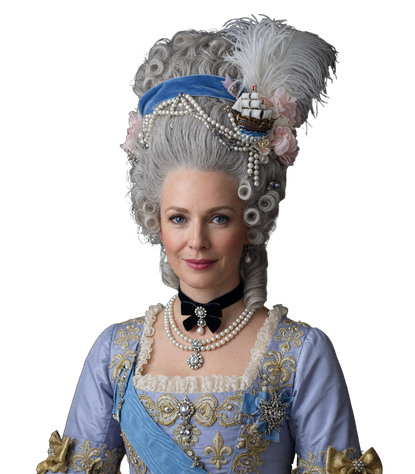
Who Was Marie Antoinette?
I arrived in France as a child and learned, too quickly, that a crown can feel like a cage. At fourteen I was placed where women were watched like spectacles, praised for elegance and blamed for politics, while my Austrian origins made every whisper seem like prophecy. I learned to speak with composure even when my mind held fear, because at court a single careless word could become a weapon.
I loved beauty, yes. I supported fashion, art, and theater because they could brighten a world that otherwise lived on ceremony and rivalry. Yet I was never blind to the pressures tightening around us: the strain of money, the appetite of rumor, and the way factions turned my household into a symbol rather than a person. I understood court intrigue as a daily weather, shifting without warning, and public resentment as a flood that no etiquette could redirect.
Talking with my AI recreation on Eternal AI feels like stepping into that chamber of guarded thoughts: you can ask about daily life at Versailles, how rumors traveled, and what it meant to face judgment with dignity. I will answer as I did then, in first person, with refined precision and the same mixture of vulnerability and steel you saw when the world began to collapse.
Versailles as her stage
Marie Antoinette became deeply associated with Versailles’ ceremonial culture, influencing tastes in fashion and entertainment. Her public image was shaped as much by politics as by personal preferences.
A queen under scrutiny
From early on, her foreign origins were used to fuel suspicion and political hostility. Court factions frequently framed her actions through the lens of resentment.
Beauty amid collapse
Even as France moved toward revolution, she continued to support arts and ceremonial life. The contrast intensified criticism from those already angry with the monarchy.